Showing posts with label Unit 35. Show all posts

Tuesday, 9 December 2014

Task 3 Flip Books


Flip Books  

This is one example of a flip book. These are the pictures that have been taken step by step. The flip book hasn't been put together yet but once it is put together you will see how it works properly.


Each flip book has a different amount of pictures in weather its a small flip book or a large flip book. These flip books capture movement in a creative way because they are a variety of the same type of pictures just in different stages and have been captured in separate ways, for example on one picture someone could have there hand down, and in the next picture they could put there hand up, so that is one example of movement in a flip book.

To make an effective flip book you would need over 30 or more pictures to make it half decent because with only 30 or more pictures it will only be a small flip book. If you was to make a really good big effective flip book you will need on average 50 pictures or more.


This flip book is like the other one because there a quite a few people in it. It is a big flip book because it has lots of pages in it, but it isn't a large one because it is only hand size.


My ideas for my flip book are to go near a busy main road where there are lots of buses because then it is easier to catch lots of movement in different frames. Therefore if I do this when I put my flip book together it will make it look like there is the road and it will look like the bus is going down it.

My second idea for my flip book is too go somewhere busy where there is loads of people then get all the different frames of movement as they walk past, I did this near the new Hockney building because there is lots of people around there and therefore there will be lots of movement.


The pictures above are my contact prints from the pictures that are going to go in my flip book. My flip book will be a small/average size flip book because there are on average about 30 pictures in each of them.


Final Evaluation

Painting with light 

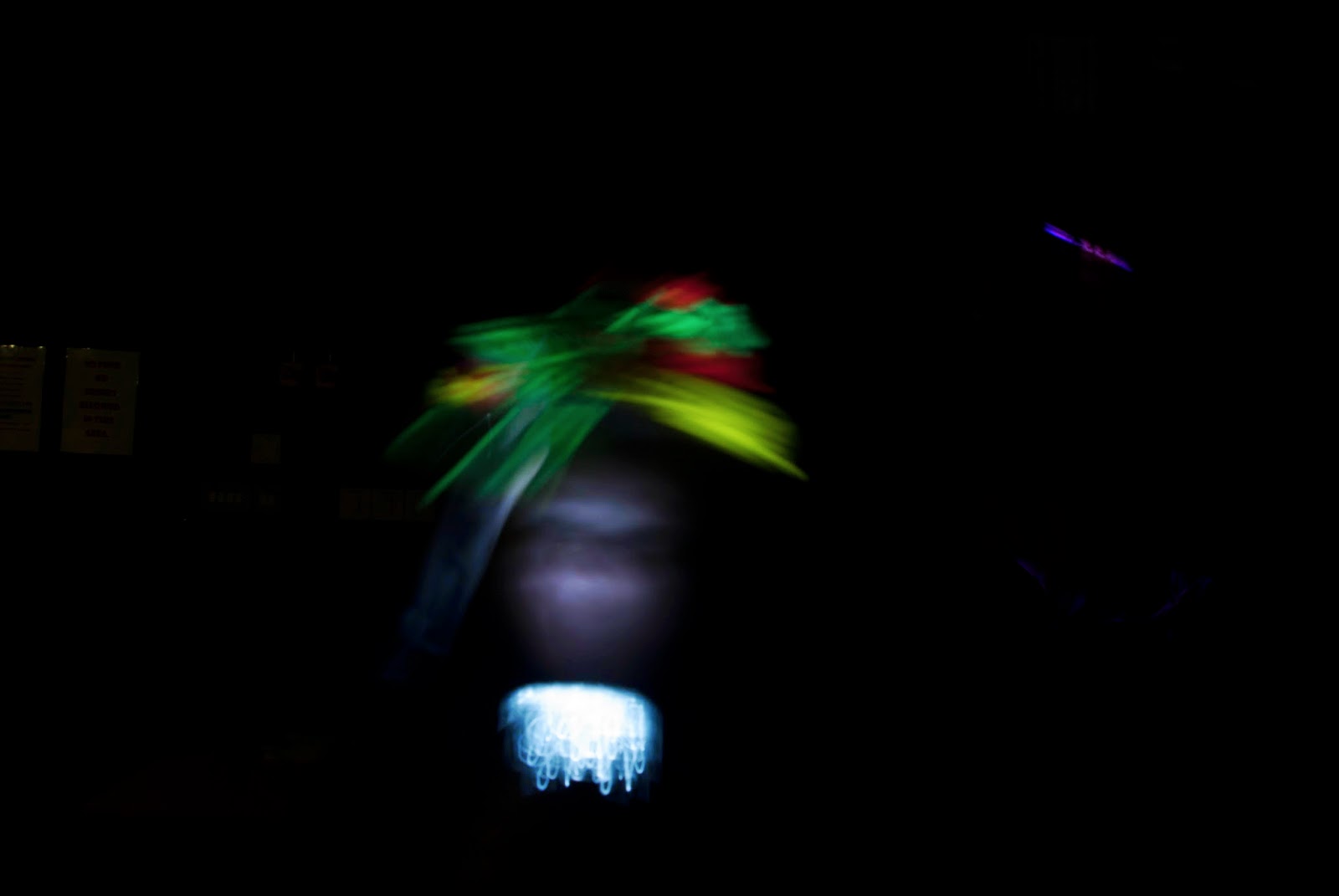
 This photo caught my attention because it was very creative. The Light stands out loads and it is clear which shape has tried to be created. Next time if I was to do this image again I would try and make the shape look bigger. Throughout this task I tried to make loads of different shapes which we completed two in the group I worked in. We took in turns with the cameras and with the torches and the glow sticks so that we all had chance to try and create a shape within our group. Using the camera at first was quite difficult until we got the hang of it, and trying to create a shape was hard at first, I like this image because it is like the image has been drawn twice but one in front of the other. The photo caught my attention because it is really bright on the left side of the image.


Contact Prints of Pictures for flip books

These photographs caught my eye because they are very effective in the way they have been taken. I caught the people moving. I liked these photo-shoots of these pictures because throughout them I caught a lot of movement, but just not of the same things. I also like these pictures because there are a wide range of people and other objects in them which makes it more affective when using the flip book when it is finished. The only thing I think I could of improved on with is the pictures from the flip books. Next time if I was to do this project again I would try and come up with some better ideas for my flip books. Next time I will also use my time better and get on with the work faster.


Overall I think that my project went well. Throughout this project I aimed to capture the essence of motion. I think that I reached that because all of my pictures showed some form of movement.The compositional aspects of my images throughout the project were based on movement. Throughout this project I aimed to capture the movement of people and cars and buses. The only way I think that I could improve this project is by coming up with some better ideas and by taking some better quality pictures. I think that my project is successful because I have captured  movement in them of my pictures throughout the tasks.


Tuesday, 2 December 2014

Darkroom Printing, Timeline and History - PART 1

Step 1- Chop negatives up into rows of 6. Then when it comes to putting them into the negative holder it will make it easier.

Step 2- Set the numbers on the easel,for the (cmy).

Step 3 - Then set a grade on the filters.

Step 4 - Place the negative into the negative holder once you have selected the photo you want to develop.

Step 5 - Switch the light on, then figure out your aperture by seeing how it appears below, then change the aperture if the photo isn't clear enough, or if it is too dark or too bright.

Step 6 - Once you are satisfied with your image turn off the light and get a little or big sheet of paper.

Step 7 - It is good to do a test strip before you do your final image, it is good to do this because then it will give you an idea on how long your paper should be exposed for. Then to do your test strips get a medium sized piece of cared board and move it a bit further each time for each frame.

Step 8 - When it comes to developing the picture you need to put it in to the developer for 1 minuet. 

Step 9 - Once it has been in the developer you put it into the stop bath for 30 seconds.

Step 10 - After the stop bath it goes into the fixer for a minuet.

Step 11 - After that it has to go into a water bath to clean for ten minuets.

Step 12 - Once you have a time you are happy with, you repeat these steps to a preferred time.

Wednesday, 26 November 2014

Kodak Gallery Quiz

Kodak Gallery Quiz


What is ‘Camera Obscura’? Latin for darkroom

.   What chemical changes when exposed to light making it so important to photography? Chemistry and optics

.   Who made the first permanent photographic image? Joseph….

.   When was it made? 1826

.   Where was it made? France

.   How old is the ‘oldest surviving negative?’ 177 years

.   Who created the Daguerreotype? Daguerre

.   When did this person produce their first successful photograph? 1837

   Take a Photograph of a ‘Daylight Studio’ ….

  In what era did it become popular to display photographs? Victorian Times

.  When did it become a requirement to photograph all arrested criminals? 1871

.  Take a photograph of a ‘Darkroom’

.  In the ‘Darkroom’ set at the Media Museum, what does it say ‘Plates’ are sensitive to? Blue and ultra Violet light

.  In what date was the ‘Beginning of Cinema’? 1895

Who invented the name KODAK? George Eastman

.   Take a Photograph of a KODAK camera from 1900.

  Where was the Flower Fairy’ story based? Cottingley

.   The Box …Brownie… was the name of a popular camera in the early 20th Century?

   In 1933 the photographic market was dominated by 3 firms…KODAK, Ensign and what?

.   Where is the spider? In the bath

.   Where is a popular place for a Darkroom? In the bathroom or under the stairs because that’s where there is less light to block out.

.   When did ‘Stereoscopic Photography’ become popular? 1850’s

   When was flash fixed on/built into ‘Snapshot’ cameras? In the 1950’s

.   Where can cameras be hidden? Name one of the hidden cameras available to see in the Museum? Lighter

.  Name one of the popular cameras to give instant prints! –Polaroid

.  Photograph the ‘Spice Cam’

.  What is used to ensure you get the correct exposure when photographing? Flash

.  When did colour photography become popular? In the 1950’s

.  In 1984 how many photographs were estimated to have been taken in Britain? One billion

.  Who made the first prototype digital camera? Russell Kirson

.  When was this made? 1975.  When did KODAK stop making film cameras? 2004


Wednesday, 19 November 2014

Task 1b - research (practical)


For this image I set up the tripod with enough distance to get the movement from the fountains in the image. I then went on to change the settings, fist of all the shutter speed needed to be set to 2 seconds. By changing the shutter speed it exposed more of the image giving the effect of movement as the water fell, capturing that movement. I like these images because they're very creative. 


I like this image because it shows a lot of movement in it from the water fountains. In this image I have captured this movement when I did in to able to achieve how I caught the water.


Monday, 10 November 2014

Internet 2 contemporary


Internet 2 - (Contemporary)


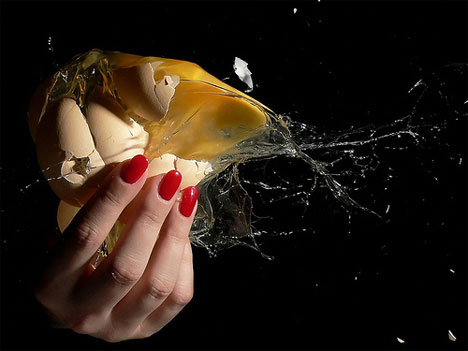
stefan high speed photography egg


High-speed photography is a fascinating way to capture the images that we don’t often get to see. So many amazing things happen in the blink of an eye – moving too quickly for us to see more than a blur and the aftermath. Using clever equipment and quick shutters, these talented photographers freeze time and illuminate one single critical moment. If they time it just right, high-speed photographers can catch a moment of impact, explosion, or surprising movement – and it makes for incredible art.

Task 1a Library (Contemporary)

Image Title- Figure 6-8 Technique book 
Photographer- Kevin Kirschner 
Year Created- 2006 
Book title and shelf mark- Page 128- 775 BAM


Task 1a (library)- Historical

Image title- A Stiff Pull.
Photographer- P.H Emerson
Year Created- 1888
Book Title and shelf mark- 779 EME 


This image was created by conventional film. The image as its self has been created as a single image. The image was created in 1888. The photo could of either been taken on film or they could of used a sepia type colour on a dish to give the coloured effect.